


Diabetes Mellitus, commonly known as “blood sugar and urine sugar disease,” is an illness that begins with high sugar (glucose) levels in the blood, which subsequently causes sugar to appear in the urine. Over time, it is a chronic disease that can damage vital organs and parts of the body such as the brain, heart, peripheral nerves in the limbs, eyes, and kidneys.
World Prevalence
According to surveys, there were approximately 285 million Diabetes patients worldwide in 2010, and this number is estimated to double by 2030. While the global incidence is high and was previously common only in developed countries, the rate of occurrence is now increasing in developing countries as well.
Causes of Diabetes Mellitus
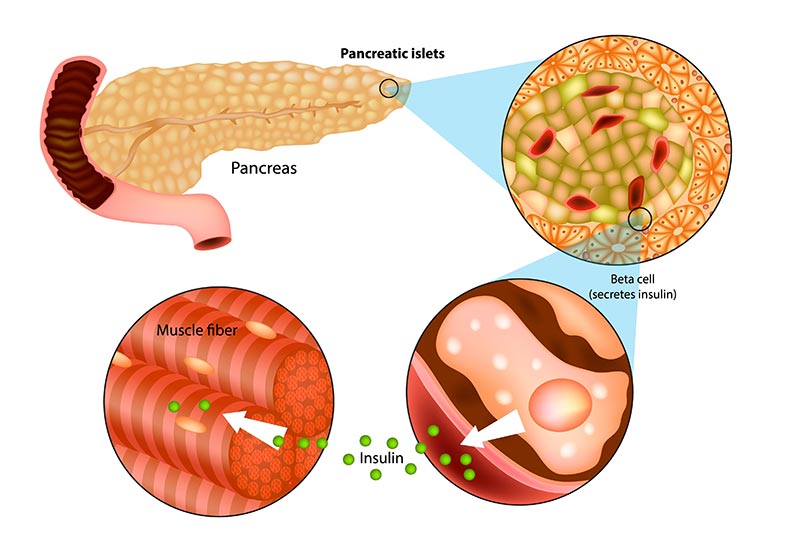
The main cause of Diabetes is that the Pancreas organ component cannot produce enough Insulin hormone required by the body, or the body cannot effectively utilize the insulin that is produced, leading to an accumulation of sugar in the blood.
Shutterstock
Main Types of Diabetes
- Type 1 Diabetes: The pancreas is unable to produce any insulin at all, and it is common in younger individuals.
- Type 2 Diabetes: The body cannot properly utilize insulin due to obesity, and it is common in middle-aged and older adults (the most common type).
- Gestational Diabetes: Diabetes that occurs temporarily during pregnancy.
Symptoms
If the following symptoms are experienced, the individual may have Diabetes:
- Fatigue and weakness
- Excessive thirst beyond the norm
- Frequent urination (especially at night)
- Sudden, significant weight loss
- Frequent infections, or slow healing of wounds
- Deterioration of eyesight
- Ants gathering around urine (or itching)
Who is More Prone to Developing Diabetes? (Risk Factors)
Individuals with the following factors have a higher risk of developing Diabetes:
- Those who are obese or overweight
- Those with low physical activity
- Those with High Blood Pressure (Hypertension)
- Older age
- Those with a family history of Diabetes
Complications and Sequelae
If Diabetes is not controlled systematically, the following severe diseases can occur as complications:
- Eye problems: Vision impairment, blindness.
- Kidney disease: Kidney damage and kidney failure.
- Nerve damage: Numbness, pain in the feet, and foot ulcers or Gangrene.
- Cardiovascular problems: Coronary artery blockage.
- Cerebrovascular problems: Stroke due to blocked blood vessels in the brain.
Prevention and Management
Diabetes cannot be completely cured unless the Pancreas organ is replaced. However, even before the disease occurs, it can be prevented by at least 50 percent through the following lifestyle changes, and the disease can be effectively controlled even after onset:
- Eating plenty of Fiber-rich foods.
- Consuming a nutritionally balanced diet.
- Drinking plenty of water.
- Regularly performing physical exercise.
- Controlling body weight to prevent obesity.
- Reducing Stress levels.